


Blog
The Dynamic Duo: New Zealand Sauvignon Blanc vs. New Zealand Chardonnay

New Zealand, a country renowned for its stunning landscapes and vibrant culture, is also a powerhouse in the wine world, especially when it comes to its Sauvignon Blanc and Chardonnay. These two varietals have put New Zealand on the global wine map, each offering unique characteristics that appeal to a wide range of palates. Let's delve into the intriguing world of New Zealand Sauvignon Blanc and Chardonnay, exploring their origins, flavour profiles, winemaking techniques, and why they stand out in the international wine arena.
Origins and Evolution
Sauvignon Blanc: This grape variety has become synonymous with New Zealand wine, particularly the Marlborough region. Sauvignon Blanc was first planted in New Zealand in the 1970s, and its rise to fame was meteoric. By the 1980s, New Zealand Sauvignon Blanc had captivated wine enthusiasts worldwide with its distinctive, exuberant flavours. The country’s cool climate and abundant sunshine create the perfect conditions for this grape, allowing it to develop intense aromas and flavours.
Chardonnay: Although Sauvignon Blanc often steals the spotlight, New Zealand Chardonnay has a long and respected history. Introduced in the mid-19th century, Chardonnay thrived in New Zealand’s diverse terroirs. From the cooler climates of Marlborough and Central Otago to the warmer regions of Hawke’s Bay and Gisborne, New Zealand Chardonnay expresses a remarkable range of styles. The versatility of this grape and the innovative spirit of New Zealand winemakers have resulted in Chardonnays that can rival the best in the world.
Flavour Profiles
Sauvignon Blanc: Think of New Zealand Sauvignon Blanc as the vivacious life of the party. It’s characterized by its vibrant acidity and intense aromatic profile. Typical flavours include citrus fruits like lime and grapefruit, tropical fruits such as passionfruit and pineapple, and often a distinctive herbaceous note reminiscent of freshly cut grass or bell pepper. Some Sauvignon Blancs from Marlborough even exhibit a unique “cat’s pee on a gooseberry bush” aroma, a quirky description that winemakers and critics use affectionately.
Chardonnay: In contrast, New Zealand Chardonnay is like the sophisticated sibling, bringing elegance and depth to the table. The flavour profile can vary widely depending on the region and winemaking techniques. In cooler regions, Chardonnays tend to be crisp and lean, with notes of green apple, lemon, and minerality. Warmer regions produce richer, fuller-bodied Chardonnays with flavours of ripe peach, melon, and tropical fruits, often complemented by buttery and toasty notes from oak aging. The result is a wine that can be both complex and comforting, with a creamy texture that lingers on the palate.
Winemaking Techniques
Sauvignon Blanc: New Zealand winemakers often use stainless steel tanks for fermenting Sauvignon Blanc to preserve its fresh and fruity character. Some winemakers experiment with lees stirring and barrel aging to add complexity and texture, but the majority focus on highlighting the grape’s natural vibrancy. The emphasis is on creating a wine that is crisp, refreshing, and ready to enjoy upon release.
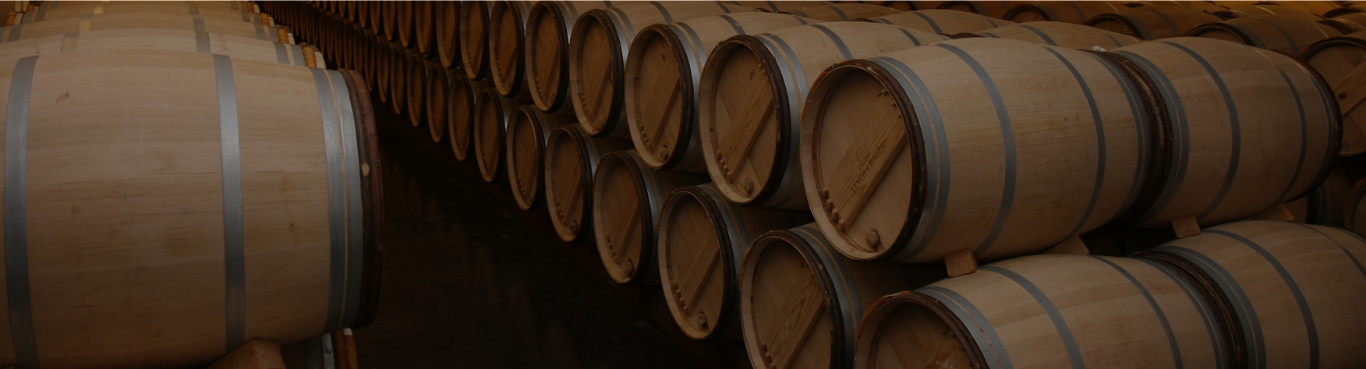
Chardonnay: Chardonnay winemaking in New Zealand showcases a blend of tradition and innovation. Techniques such as malolactic fermentation (which converts tart malic acid into softer lactic acid) and oak aging (both in French and American barrels) are commonly employed to enhance the wine’s flavour and texture. Lees stirring (bâtonnage) is another technique used to add creaminess and depth. The resulting Chardonnays can range from steely and mineral-driven to lush and opulent, catering to a broad spectrum of preferences.
Regional Highlights
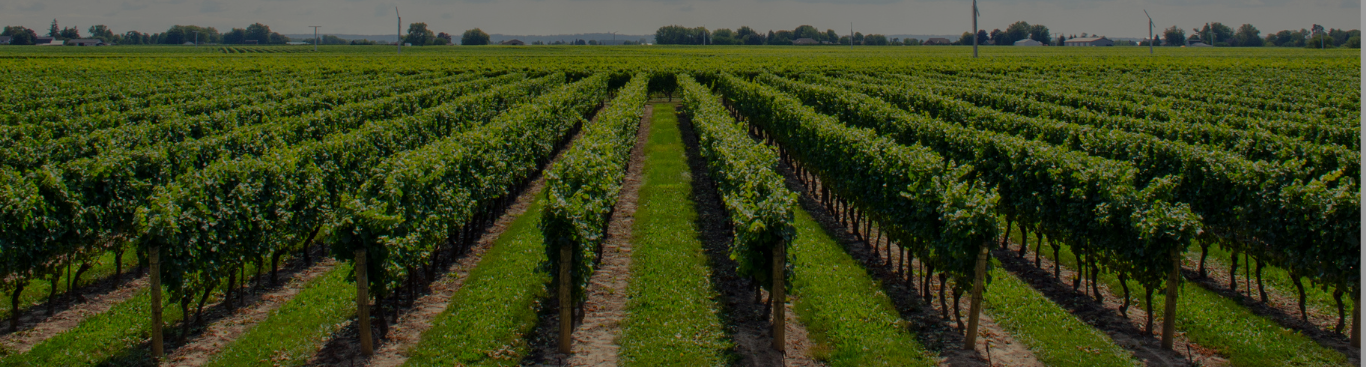
Marlborough: The epicentre of New Zealand Sauvignon Blanc, Marlborough is famed for its bright, zesty wines. The region’s stony soils and cool climate contribute to the grape’s intense flavours and lively acidity. Marlborough Sauvignon Blancs are renowned for their purity and consistency, making them a benchmark for the style globally.
Hawke’s Bay: Known for its diverse terroirs, Hawke’s Bay produces exceptional Chardonnays. The region’s warm climate and varied soils allow for a range of styles, from crisp and citrusy to rich and oaky. Hawke’s Bay Chardonnays often exhibit a beautiful balance of fruit and minerality, with a refined elegance.
Central Otago: While primarily celebrated for its Pinot Noir, Central Otago also crafts some impressive Chardonnays. The cool, alpine climate and long growing season result in Chardonnays with bright acidity and pronounced fruit flavours, often with a distinctive mineral edge.
Food Pairing Perfection
Sauvignon Blanc: The zesty acidity and vibrant flavours of New Zealand Sauvignon Blanc make it a fantastic match for a variety of dishes. It pairs beautifully with seafood, particularly oysters, mussels, and fish dishes with citrus or herbal sauces. Its herbaceous notes complement salads, goat cheese, and dishes with fresh herbs. For a fun pairing, try it with Thai or Vietnamese cuisine, where the wine’s bright acidity can balance spicy and aromatic flavours.
Chardonnay: New Zealand Chardonnay’s versatility makes it a great partner for a wide range of foods. The richer, oak-aged styles pair well with creamy dishes like lobster bisque, chicken Alfredo, or mushroom risotto. Leaner, unoaked Chardonnays are excellent with grilled fish, roasted chicken, and vegetable dishes. For a classic pairing, try New Zealand Chardonnay with soft cheeses like Brie or Camembert, where the wine’s acidity cuts through the creaminess of the cheese.
Why They Stand Out
Sauvignon Blanc: What makes New Zealand Sauvignon Blanc truly special is its unique flavour profile and consistency. The wines are almost always reliable, offering a burst of refreshing fruit and acidity that appeals to both casual drinkers and connoisseurs. New Zealand’s commitment to sustainable viticulture and innovation in winemaking ensures that each bottle is a testament to quality and environmental stewardship.
Chardonnay: New Zealand Chardonnay stands out for its diversity and ability to express the unique characteristics of different regions and winemaking styles. The country’s winemakers are adept at balancing tradition with innovation, resulting in Chardonnays that are both classic and contemporary. Whether you prefer a steely, mineral-driven Chardonnay or a rich, oaky one, New Zealand offers a version that will captivate your palate.
Conclusion
New Zealand Sauvignon Blanc and Chardonnay are like the yin and yang of the wine world, each bringing their own charm and appeal. Sauvignon Blanc dazzles with its zesty, aromatic flair, while Chardonnay impresses with its depth and versatility. Whether you’re in the mood for a refreshing splash of Sauvignon Blanc or a sophisticated sip of Chardonnay, New Zealand’s wines offer something for every occasion and palate. In the end, the best way to appreciate these wines is to experience them for yourself. So, grab a bottle of each, gather some friends, and embark on a delightful journey through the vineyards of New Zealand.
Create an account with us today, let the laughter begin and receive a $10 off coupon to kickstart your New Zealand wine journey with us. Cheers to discovering the magic of New Zealand’s dynamic duo!
