


Blog
Uncorking the Enigma: The Complex World of Red Wine

Ah, red wine. The beverage of poets, lovers, and the occasional stressed-out parent hiding from the chaos of a PTA meeting. It’s a drink steeped in history, mystery, and—let’s be honest—a fair bit of pretension. But here’s the thing: red wine doesn’t have to be a daunting enigma. Sure, it’s complex, but it’s also wonderfully fascinating. So, grab a glass of your favorite red (yes, even if it’s a $18 bottle from UndergroundWines) and let’s dive into the beautifully complex world of red wine, with a bit of humor to keep things light.
.
The Grapes: The Backbone of Red Wine Complexity
Let’s start with the basics: the grape. The grape is the heart and soul of red wine, and its complexities start right here in the vineyard. There are hundreds of grape varieties, but for the sake of sanity (and word count), let’s focus on the most popular ones:
1. Cabernet Sauvignon: The king of red wine grapes, known for its bold flavours and high tannins. If Cabernet Sauvignon were a person, it would be that stern, aristocratic uncle who demands respect but has a soft spot for bad puns.
2. Merlot: Often misunderstood, Merlot is like the chill, easy-going cousin who always brings a good time to family gatherings. It’s softer than Cabernet Sauvignon, with lush, fruity flavours.
3. Pinot Noir: The drama queen of grapes. Pinot Noir is delicate, temperamental, and incredibly rewarding when done right. It’s like that friend who cancels plans last minute but is so charming when they do show up that you can’t stay mad.
4. Syrah/Shiraz: The spicy one. Depending on where it’s grown, it can be brooding and peppery (Syrah) or bold and jammy (Shiraz). Think of it as the mysterious stranger in a leather jacket sitting at the bar.
5. Malbec: Argentina’s gift to the world. Malbec is dark, juicy, and full of personality. It’s the life of the party but won’t make a scene when it’s time to go home. These grapes, along with many others, bring different flavours, tannin levels, and aromas to the table. But the grape is just the beginning of the red wine story.
.
Terroir: The Wine’s Birthplace
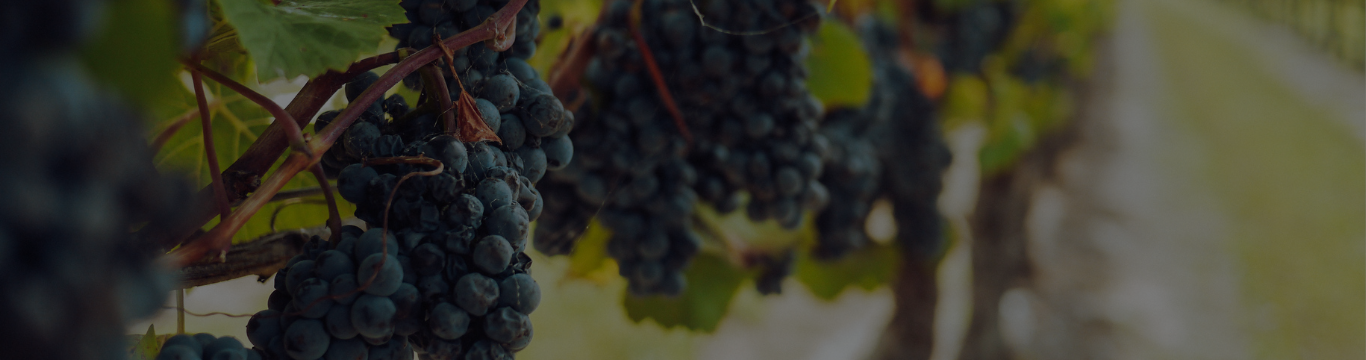
If the grape is the backbone, then terroir is the soul of the wine. Terroir (pronounced *tehr-wahr*, because nothing in wine is ever pronounced the way it’s spelled) is a French term that loosely translates to "a sense of place." It encompasses everything from the soil type and climate to the topography and even the specific microorganisms in the vineyard. In other words, terroir is the reason why a Pinot Noir from Burgundy tastes different from a Pinot Noir from California.
Here’s where things get delightfully complex: every tiny detail in the vineyard can affect the flavour of the wine. For example, grapes grown in cooler climates tend to have higher acidity, giving the wine a brighter, fresher taste. On the other hand, grapes from warmer climates are riper, leading to richer, fuller-bodied wines. And then there’s the soil—oh, the soil! Whether it’s gravel, clay, limestone, or volcanic ash, the ground in which the vines grow imparts subtle (and sometimes not-so-subtle) characteristics to the wine.
And don’t get me started on altitude. High-altitude vineyards produce grapes with thicker skins, which results in wines with more tannin and color. It’s like nature’s way of saying, “You’re going to work harder for your wine, but it’s going to be worth it.”
.
.
The Winemaking Process: Where Science Meets Art
Now, let’s move from the vineyard to the winery, where grapes transform into the elixir we all know and love. Winemaking is where science meets art, and where even the tiniest decision can alter the final product.
1. Fermentation: This is where the magic happens. Yeast (either natural or added) converts the sugars in the grape juice into alcohol. Depending on the grape variety and winemaker’s intentions, fermentation can happen in stainless steel tanks, oak barrels, or even concrete eggs (yes, that’s a thing). The choice of vessel can influence the wine’s flavour, texture, and overall vibe.
2. Aging: Time to let the wine chill out and develop its personality. Aging can happen in stainless steel, oak barrels, or a combination of both. Oak barrels are particularly interesting because they can add flavours like vanilla, spice, and toast to the wine. However, too much oak can overwhelm the wine, making it taste like you’re chewing on a two-by-four. It’s all about balance, my friends.
3. Blending: Not all red wines are single-varietal. In fact, some of the most famous wines in the world are blends. Take Bordeaux, for example. It’s typically a blend of Cabernet Sauvignon, Merlot, and sometimes a few other grapes. Blending allows winemakers to create a wine that’s greater than the sum of its parts, balancing acidity, tannin, fruit, and alcohol to perfection.
4. Bottling: Finally, the wine is ready to be bottled. But even this step isn’t straightforward. Some wines are bottled young and fresh, while others need years of aging before they’re ready to be enjoyed. And then there’s the matter of closures: cork versus screw cap. The debate rages on, but that’s a story for another day.
.
The Sensory Experience: Tasting Red Wine
Now that we’ve covered the vineyard and winery, it’s time to talk about the best part: tasting the wine. Tasting red wine is a multi-sensory experience, and while you don’t need to be a sommelier to enjoy it, a little knowledge goes a long way.
1. Sight: Start by looking at the wine in your glass. Notice the color and clarity. Is it deep ruby, garnet, or almost purple? The color can tell you a lot about the wine’s age and grape variety. For example, a young Cabernet Sauvignon might be a deep, inky purple, while an older Pinot Noir could be more of a pale garnet.
2. Smell: Swirl the wine in your glass to release the aromas. Take a deep sniff (but try not to shove your nose into the glass—it’s not a bouquet of flowers). What do you smell? Fruits, spices, herbs, maybe a hint of oak? The aromas in wine are incredibly complex and can include everything from dark cherries and blackberries to tobacco, leather, and even truffles.
3. Taste: Finally, take a sip. Notice the flavours, the texture, and how the wine evolves on your palate. Is it dry or sweet? Does it have high acidity or low? Are the tannins smooth and integrated or a bit rough around the edges? And most importantly, do you like it? Because at the end of the day, that’s what really matters.
.
.
A Final Toast: Complexity Meets Enjoyment
Red wine is indeed complex, but that’s what makes it so exciting. From the vineyard to the glass, every step of the process is filled with decisions, variables, and tiny details that all contribute to the final product. But while it’s fun to learn about the complexities, don’t forget that wine is meant to be enjoyed. Whether you’re sipping a glass of rare Bordeaux or a simple Merlot, the best wine is the one you like to drink.
So here’s to red wine—complex, fascinating, sometimes a little mysterious, but always worth exploring. And remember, if all else fails, you can always fake it until you make it. Just swirl the glass, nod thoughtfully, and say something like, “Ah, yes, I’m getting notes of blackberry, leather, and a hint of sarcasm.”
Create an account with us today, let the laughter begin and receive a $10 off coupon to kickstart your New Zealand wine journey with us. Cheers!
