


Blog
Understanding Wine A Little More
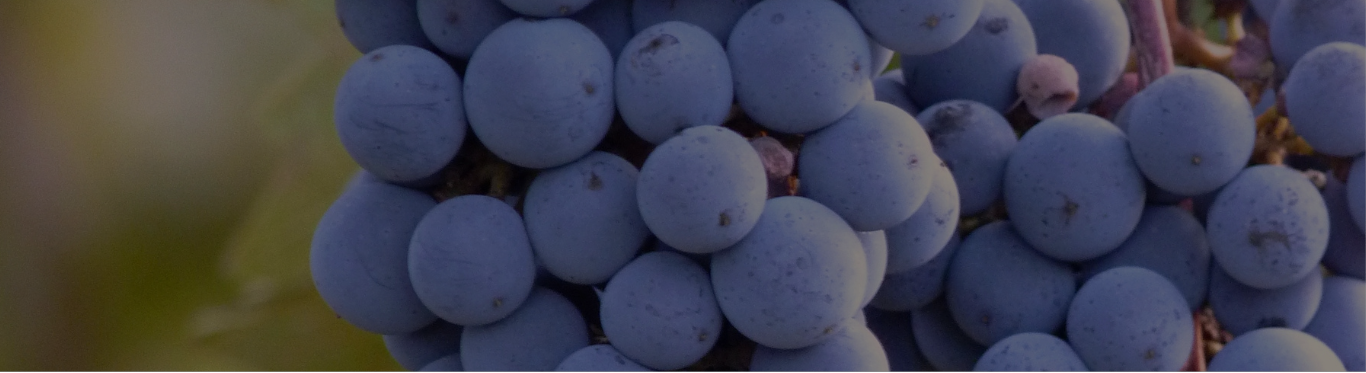
Wine. That enchanting elixir that has graced our tables and tickled our taste buds for centuries. It can be the star of a celebratory dinner, a faithful companion on a lonely night, or the perfect excuse for gathering with friends. But what exactly is this magical drink, and how can you navigate its complex world without looking like an utter novice? Welcome to your crash course in wine education, where knowledge meets a sprinkle of hilarity.
.
The Basics: What is Wine?
At its core, wine is simply fermented grape juice. That's right—grape juice that decided to grow up, go to college, and come back with a sophisticated air. While there are other fruits that can be used to make wine, the grape (specifically, the species *Vitis vinifera*) reigns supreme in the winemaking world.
.
Types of Wine
1. Red Wine: Made from dark-colored grape varieties. The skins of the grapes remain during fermentation, giving red wine its color, tannins, and robust flavour. Think of it as the brooding artist of the wine world.
2. White Wine: Produced from green grapes, or from red grapes with their skins removed before fermentation. It's light, zesty, and perfect for those sunny afternoons.
3. Rosé: The love child of red and white wine. Made by allowing the grape skins to stay in contact with the juice for a short period, it gets its pink hue and a flavour profile that’s not too bold, yet not too shy.
4. Sparkling Wine: The party animal of wines. This bubbly beverage undergoes a secondary fermentation to produce carbonation. Champagne is the most famous, but remember—not all sparkling wines are Champagne!
5. Dessert Wine: Sweet wines that range from slightly sugary to syrupy sweet. Often enjoyed with, you guessed it, dessert, or sometimes as dessert itself.
.
The Wine Tasting Process
So, you’ve got a glass of wine in your hand. Now what? Here’s a quick guide to tasting wine like a pro, or at least pretending to be one.
1. See - Take a good look at your wine. Tilt the glass and observe the color and clarity. Is it a deep crimson or a light straw color? The hue can tell you a lot about the wine’s age and grape variety. Just try not to look like you’re squinting at a rare piece of art.
2. Swirl - Swirling the wine in your glass isn’t just for show. It helps to release the wine’s aromas. Hold the base of your glass and give it a gentle swirl. If you’re a beginner, it’s perfectly acceptable to practice this with water first to avoid accidental spills. There’s nothing more tragic than wasting wine.
3. Smell - Stick your nose in the glass and take a deep sniff. Wine aromas can range from fruity and floral to earthy and spicy. If you catch a whiff of something unusual, don’t panic. Sometimes wine can smell like wet dog or freshly cut grass, and that’s perfectly normal. Embrace the eccentricity!
4. Sip - Finally, take a sip. Let the wine wash over your palate and note the flavours. Are they consistent with the aromas you smelled? Is the wine dry or sweet? Does it have a light body or is it full-bodied? Take another sip just to be sure. And another, for good measure.
5. Savor - The aftertaste, or finish, is crucial. Does the flavour linger pleasantly, or does it vanish faster than your paycheck after a wine shopping spree? A good wine will have a memorable finish.
.
Wine Pairing
A Match Made in Culinary Heaven Pairing wine with food can seem intimidating, but it’s not rocket science. Here are some basic principles to get you started.
-Beef and Lamb: The tannins in red wine are perfect for cutting through the rich flavours of red meat.
- Tomato-Based Dishes: The acidity in red wine complements the tanginess of tomato sauces.
- Dark Chocolate: A bold red wine with a high tannin content pairs wonderfully with the bitterness of dark chocolate.
- Seafood: The crispness of white wine enhances the delicate flavours of fish and shellfish.
- Chicken and Turkey: Light meats go well with the zesty notes of white wine.
- Creamy Sauces: The acidity in white wine can balance out the richness of creamy dishes.
- Spicy Food: The slight sweetness of rosé can tame the heat of spicy cuisine.
- Salads: Rosé’s versatility makes it a great match for various salad ingredients.
- Cheese Plates: It pairs beautifully with a range of cheeses, from mild to strong.
- Appetizers: The effervescence of sparkling wine is a great palate cleanser before a meal.
- Fried Foods: The bubbles cut through the greasiness of fried foods, making for a refreshing bite.
- Desserts: Sweet sparkling wines pair nicely with pastries and cakes.
.
.
Common Wine Myths Debunked
1. Expensive Wine is Always Better: Not necessarily. Price does not always equate to quality. There are plenty of affordable wines that are delicious. Your palate is the ultimate judge.
2. Red Wine Should be Served at Room Temperature: True, but only if you live in a 16th-century European castle. Modern room temperatures are often too warm. Slightly cooler than room temperature is ideal for most reds.
3. White Wine Should be Ice Cold: Not quite. Over-chilling white wine can mute its flavours. Serve it chilled, but not freezing.
4. Rosé is Just for Summer: Rosé can be enjoyed year-round. It’s versatile and pairs well with many foods, regardless of the season.
5. Wine Improves with Age: This is only true for some wines. Many wines are best enjoyed young. Age doesn’t always guarantee a better wine.
.
Fun Wine Facts to Impress Your Friends
1. Wine Has Been Around for Ages: The oldest known winery dates back to around 4100 BC in Armenia. That’s some serious history.
2. Women are Better Tasters: Women generally have a better sense of smell than men, which is crucial for wine tasting. So, ladies, trust your nose!
3. There’s Science Behind the Shapes of Wine Glasses: The design of a wine glass can affect the taste and aroma of the wine. Different shapes are intended to enhance specific types of wine.
4. The World’s Oldest Bottle of Wine: Found in a Roman tomb, it dates back to 325 AD and is still sealed. Talk about vintage!
5. Champagne Bottles Have Serious Pressure: The pressure in a bottle of Champagne is about three times that in a car tire. No wonder they can launch a cork across the room!
.
Conclusion
Wine doesn’t have to be intimidating. It’s a journey of discovery, filled with endless varieties, flavours, and stories. Whether you’re sipping on a full-bodied red by the fireplace or enjoying a crisp white on a summer’s day, there’s a wine for every occasion and every palate. So, go ahead, uncork a bottle, and let the exploration begin.
Create an account with us today, let the laughter begin and receive a $10 off coupon to kickstart your New Zealand wine journey with us. Cheers to your newfound wine wisdom, and remember—life is too short to drink bad wine!
